
Setting the Stage for a Home Addition: A Contractor’s Perspective on Getting It Right From the Start
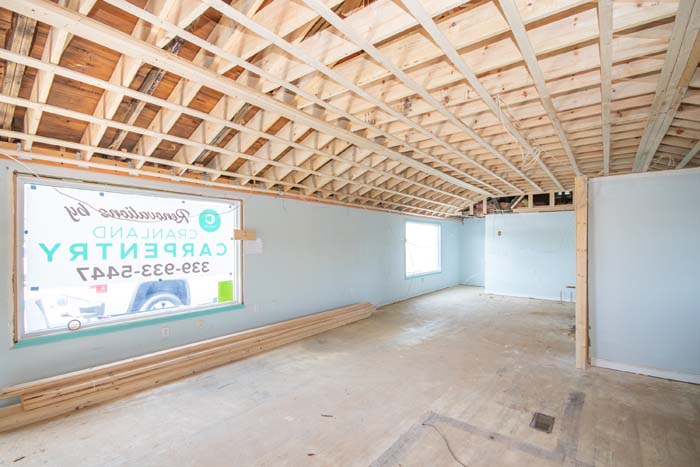
If you’re thinking about building a home addition, the biggest mistake we see people make is jumping too far ahead too quickly.
People start thinking about finishes, layouts, or even getting pricing before they’ve figured out whether the project actually makes sense on paper.
The reality is, a good addition starts well before construction. It starts with setting the stage the right way so you’re not backing into problems later.
This is exactly what we focus on during pre-construction, especially for homeowners throughout the South Shore and Plymouth County where zoning, septic systems, and permitting all play a major role in what’s actually possible.
Start With a Real Budget Conversation
The first thing that needs to happen is a real conversation about budget. Not a perfect number, just a realistic range.
We’re not trying to box anyone in. The goal is to make sure we’re aiming at something that makes sense based on the size of the addition, the level of finishes, and the overall complexity of the project.
If a project is designed without that context, it usually leads to reworking plans, cutting scope, or unnecessary frustration.
When the budget is understood early, it allows for better decisions right from the start:
-
Where to invest
-
Where to simplify
-
What makes sense long-term
This is especially important for additions in Massachusetts, where construction costs, permitting, and site conditions can vary quite a bit from one property to the next.
That’s how projects stay efficient and avoid being redesigned multiple times.
Figure Out What the Town Will Actually Allow
Before getting too deep into design, it’s important to understand what the town will allow.
Zoning plays a major role in shaping a project. It can impact:
-
The size of the addition
-
Setbacks from property lines
-
The overall footprint of the home
-
Whether the addition can even be approved as designed
We’ve seen situations where a design looks great but doesn’t meet zoning requirements. That’s time and effort that can be avoided by addressing this early.
For homeowners in towns like Plymouth, Duxbury, Hanover, Marshfield, and surrounding South Shore areas, zoning requirements can differ from town to town, so this step keeps the project grounded in what’s actually feasible.
Septic and Board of Health Can Drive the Entire Project
In many areas, especially throughout the South Shore and Plymouth County, septic systems are a major factor in planning a home addition.
Depending on the scope, it may be necessary to:
-
Upgrade the septic system
-
Reevaluate bedroom count
-
Adjust the layout of the home
-
Coordinate with the local Board of Health
In some cases, instead of upgrading the system, it makes more sense to modify the layout to stay within existing limits.
This is where the project becomes more than just adding space. It becomes about making the entire home work together within real constraints.
For example, adding square footage or bedrooms may trigger requirements that impact the entire property, not just the addition itself.
Addressing this early avoids major redesigns later in the process.
Make the Addition Work With the Existing House
A well-executed addition should feel like it was always part of the home.
To get there, the focus isn’t just on the new space. It’s on how everything works together:
-
Flow between rooms
-
Structural alignment
-
Rooflines and exterior consistency
-
Mechanical systems like HVAC and plumbing
Sometimes that means adjusting existing spaces to make the overall layout more functional.
These are the details that separate a clean, well-thought-out addition from something that feels pieced on.
Work Through Decisions in the Right Order
There’s a sequence to this process, and sticking to it makes a big difference.
We typically guide home addition projects in this order:
-
Budget range
-
Zoning and feasibility
-
Layout and design
-
Structural and system planning
-
Material selections and finishes
Skipping ahead usually leads to backtracking. Keeping things in order keeps the project moving forward cleanly and helps avoid delays.
This structured approach is a big part of what makes the construction phase smoother and more predictable.
Timing Matters More Than People Expect
Not every decision needs to happen at once, and timing plays a big role in keeping a project on track.
For example:
-
Windows and doors often need to be selected early due to lead times
-
Structural details need to be finalized before materials are ordered
-
Siding, roofing, and exterior finishes need to align with framing progress
-
Interior finishes should line up with when that phase of work is scheduled
Making decisions too early can lead to changes. Making them too late can cause delays.
Part of our role is making sure everything lines up with the construction timeline so the project flows the way it should.
Why This Process Matters
This is what pre-construction is really about.
It’s not just planning for the sake of planning. It’s about:
-
Avoiding surprises
-
Keeping the project moving
-
Making informed decisions early
-
Aligning expectations with real-world conditions
We’d rather spend the time getting things right on paper than trying to fix them during construction.
That’s how you protect your budget, your timeline, and the overall quality of the finished project.
Final Thoughts
If you’re considering a home addition, taking the time to set the project up properly makes a big difference.
- Have a real conversation about budget.
- Understand what the town will allow.
- Know how your septic system factors in.
- Think about how the entire home works together.
And work with a team that walks through the process step by step, keeping priorities in the right order.
That’s how home additions across the South Shore and Plymouth County are completed efficiently, with fewer surprises and better long-term results.