
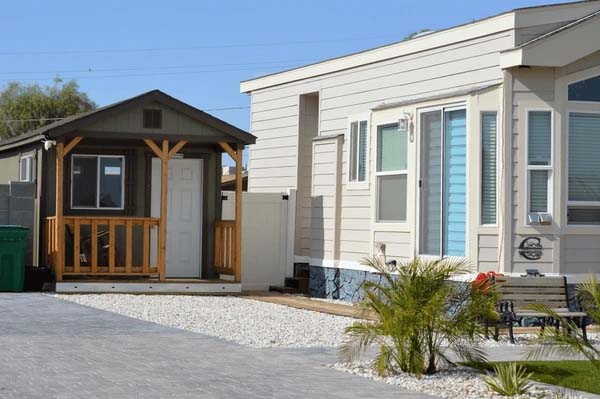
As housing needs change across Massachusetts, more homeowners are looking for ways to create flexible, long-term living solutions without leaving their communities. One of the most effective options is building an Accessory Dwelling Unit (ADU).
At Cranland Carpentry, we’ve seen a growing interest in ADUs throughout the South Shore and Plymouth County — especially for aging parents, adult children, rental income, or future resale flexibility. Below, we break down what ADUs are, what Massachusetts allows, and what homeowners should consider before moving forward.
What Is an ADU?
An Accessory Dwelling Unit is a secondary living space located on a property with an existing single-family or multi-family home. ADUs are fully functional residences, typically including:
-
A kitchen
-
A bathroom
-
Sleeping space
-
Separate or semi-separate living areas
Common ADU types in Massachusetts include:
-
Detached ADUs (stand-alone backyard cottages)
-
Attached ADUs (additions connected to the main house)
-
Interior ADUs (finished basements, attic conversions, or over-garage units)
Massachusetts ADU Regulations (In Plain English)
Massachusetts recently updated state guidance to encourage ADU development, but local zoning bylaws still matter.
In general:
-
ADUs are allowed by right or by special permit, depending on the town
-
Most ADUs are limited to 900–1,000 sq. ft., or a percentage of the primary home
-
Owner-occupancy requirements may apply
-
Parking requirements vary by municipality
-
Utilities can be shared or separate, depending on design and town rules
Because every town interprets the regulations slightly differently, early planning is critical.
Do ADUs Need to Meet Building Code?
Yes — ADUs in Massachusetts must comply with:
-
Massachusetts State Building Code
-
Energy code requirements (including insulation and air sealing)
-
Fire separation and egress rules
-
Electrical, plumbing, and mechanical codes
Even smaller ADUs typically require:
-
Proper insulation inspections
-
Fire-rated assemblies
-
Code-compliant stairs, ceiling heights, and exits
This is one area where experience matters — especially when converting older homes.
Why Homeowners Are Building ADUs
We see ADUs used most often for:
-
Multi-generational living
-
Aging-in-place solutions
-
Adult children returning home
-
Rental income
-
Long-term property value growth
Unlike short-term renovations, ADUs are often built with a 30–50 year mindset, which aligns closely with how we approach construction.
Common Challenges (And How to Avoid Them)
ADUs can be incredibly rewarding projects, but they come with complexity. The most common challenges include:
-
Zoning misunderstandings
-
Underestimating costs
-
Design changes mid-project
-
Utility coordination
-
Permitting delays
This is why we place a strong emphasis on pre-construction planning — clarifying scope, code requirements, budget ranges, and timelines before construction begins.
Our Approach to ADU Projects
At Cranland Carpentry, we treat ADUs as full homes, not just additions. Our process typically includes:
-
Early zoning and feasibility review
-
Budget-range planning before design is finalized
-
Coordination with engineers, electricians, plumbers, and inspectors
-
Clear communication through our project portal
-
A focus on durability, efficiency, and long-term value
Whether the goal is family housing or rental income, we believe ADUs should be built to last — not just to pass inspection.
Is an ADU Right for Your Property?
Every property is different, and not every lot is a good fit. The best first step is understanding:
-
What your town allows
-
How the ADU would function long-term
-
What level of investment makes sense for your goals
If you’re considering an ADU anywhere on the South Shore or in Plymouth County, we’re always happy to start with a conversation and a plan.
Thinking About an ADU?
Reach out to start a pre-construction planning phase and find out what’s possible for your property.